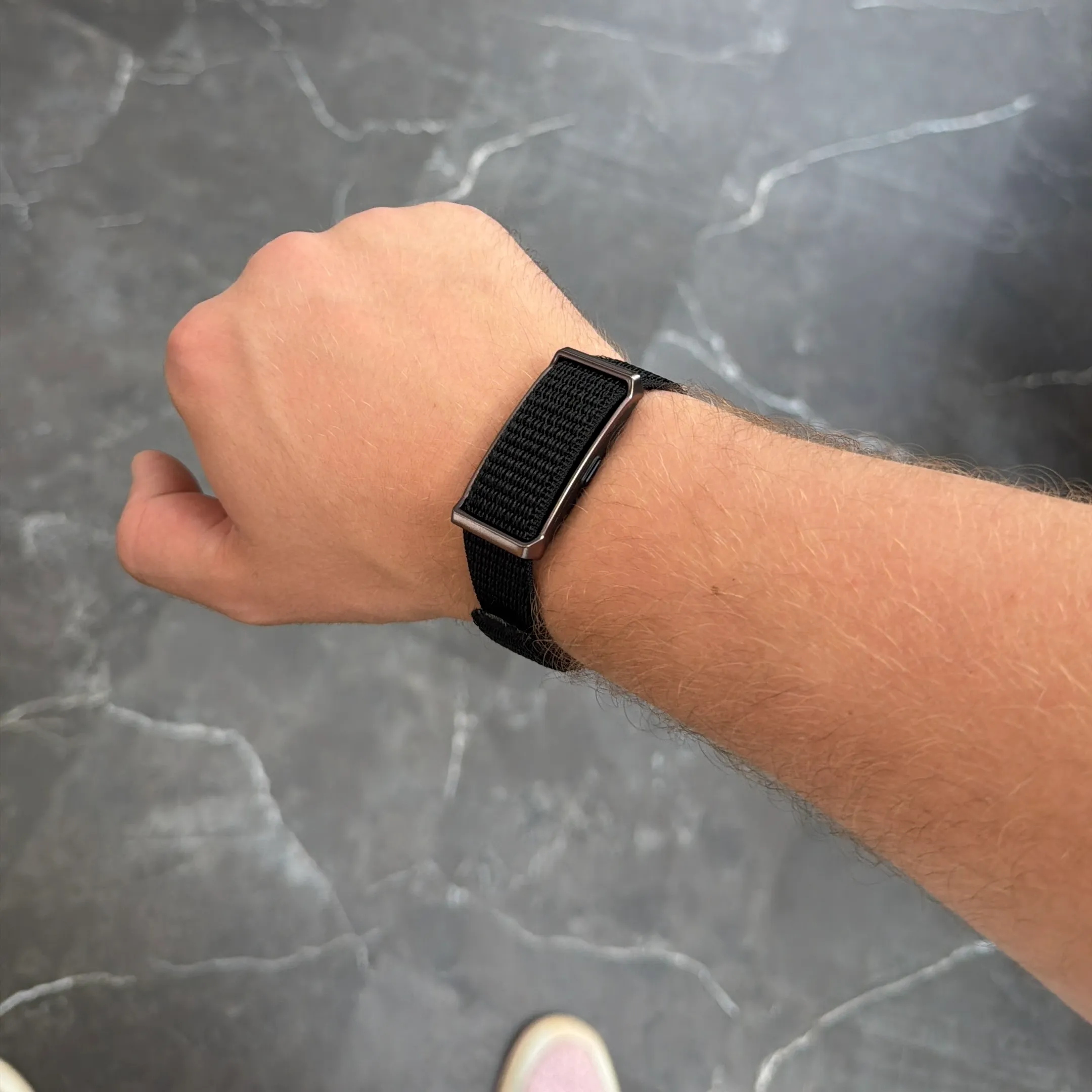
We Spent £1,491 Testing The Top Fitness Trackers of 2026. Here's how the £39 underdog Won.
We Spent £1,491 Testing The Top Fitness Trackers of 2026. Here's how the £39 underdog Won.

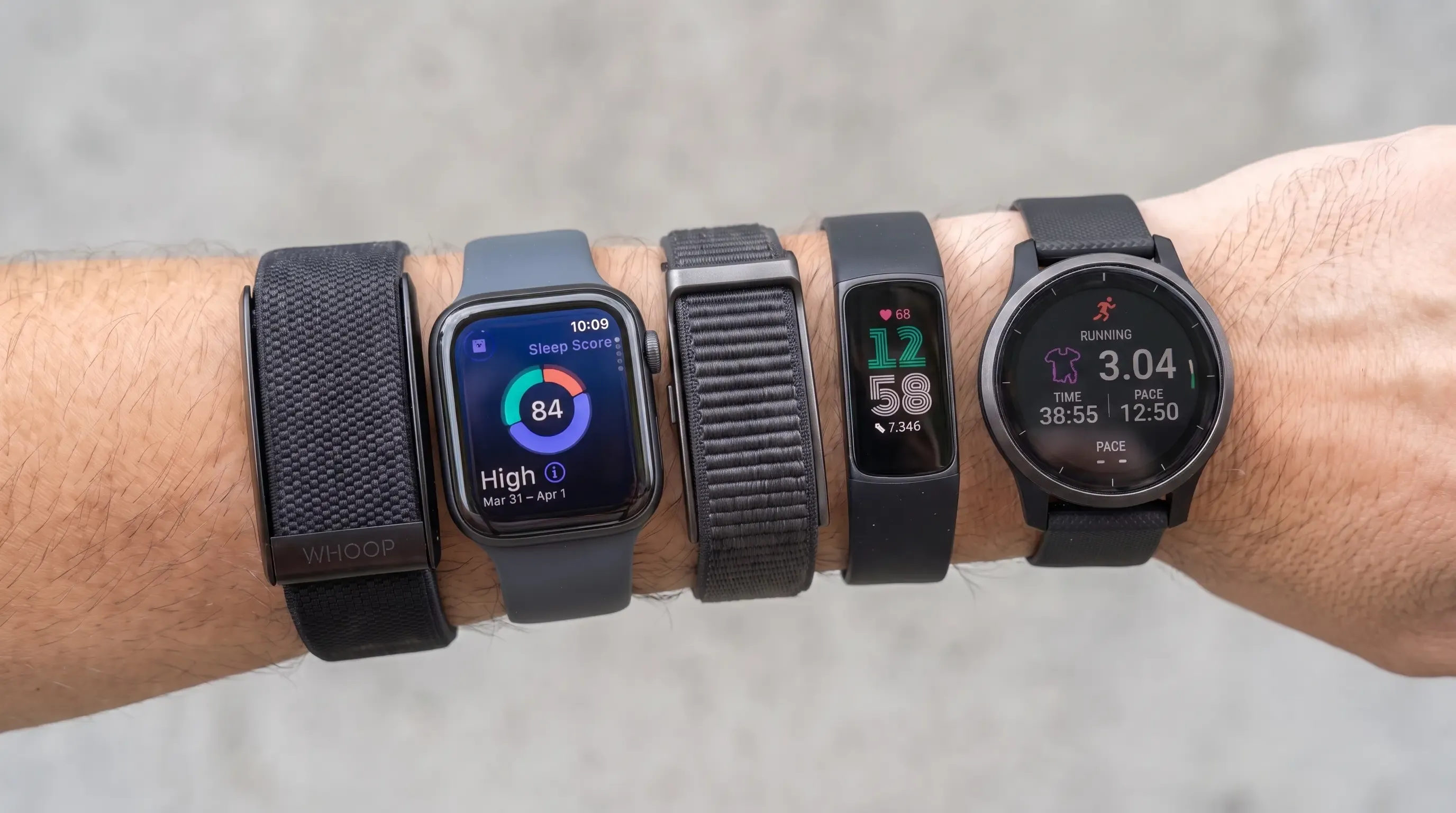
Most fitness trackers cost you more in the second year than they did in the first. Here's why...
Most fitness trackers cost you more in the second year than they did in the first. Here's why...
Nobody mentions that at checkout. You pay £200 for the band, and a few weeks later the app wants £9.99 a month to show you numbers the band is already collecting.
So when we tested the five trackers readers ask us about most, we scored them on something the spec sheets leave out: what each one actually costs over two years, and whether it's still on your wrist by the end of it.
All five went on rotation for ninety days and nights - work, training, travel, a stomach bug, and a lot of unremarkable Tuesdays. We compared readings across matching days, checked each night's sleep data against a note we'd written that morning about how we actually felt, ran every battery flat, and added up every subscription.
The short version: the most expensive device didn't win. The one that did held steady readings, went 38 ENTIRE DAYS before I had to charge it (nuts), and locks nothing behind a monthly fee.
Here's how all five finished, and why.
The best picks reviewed by Worn & Tested
The best picks reviewed by Worn & Tested
OUR PICK
OUR PICK
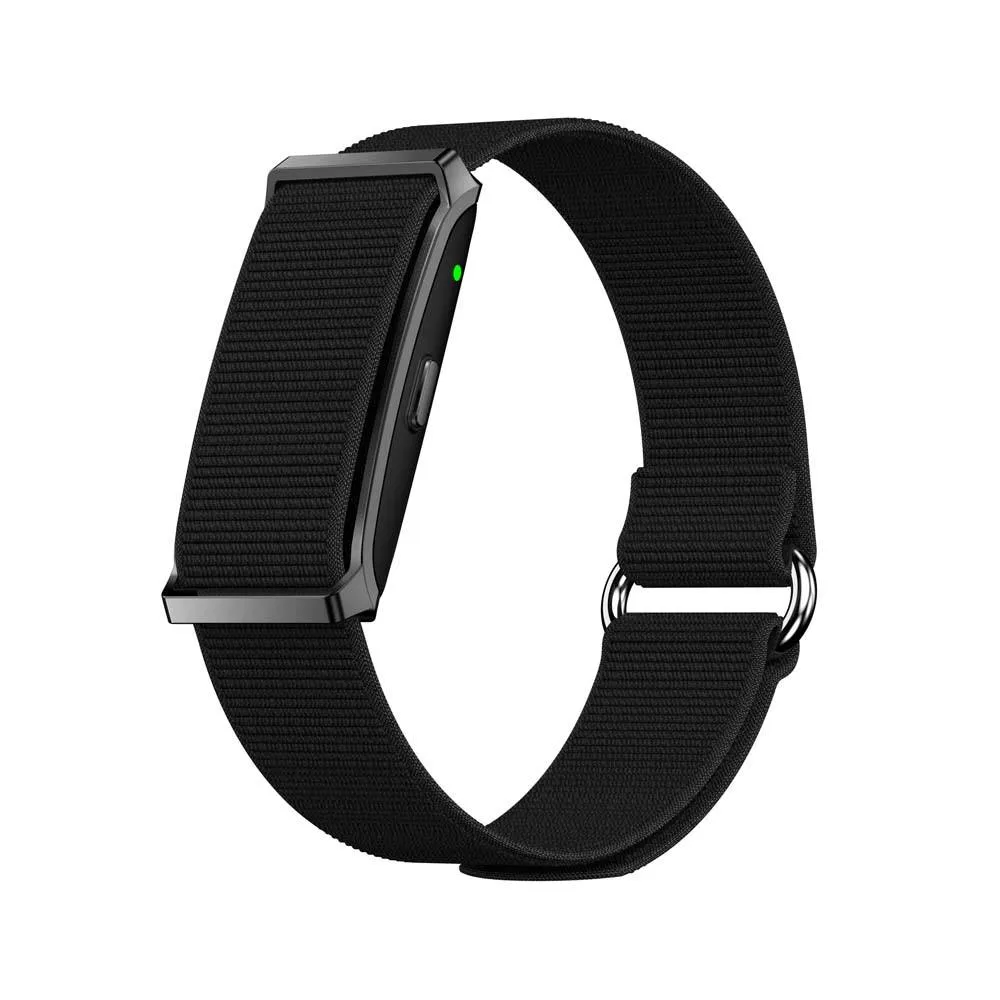
1. Voltra Air
1. Voltra Air
★
★
★
★
★
★
★
★
★
★
4.8
4.8
- ✓ Pay once - every feature unlocked, nothing behind a paywall
✓ 40+ days on a single charge (independently confirmed)
✓ Monitors blood pressure, HR, HRV & SpO2
✓ Complete sleep analysis - deep, REM and light
✓ Multi-wavelength optical sensor
✓ Smart battery optimisation that adapts to you
✓ Feather-light 18g, no-screen build
✓ Built to survive water - IP68 rated
✗ New brand - stock sells out fast
✗ Relies on your phone's GPS rather than its own
SUBSCRIPTION TRAP
SUBSCRIPTION TRAP
2. Whoop 5.0 Peak
★
★
★
★
★
★
★
★
★
★
3.2
3.2
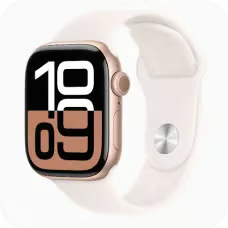
- ✓ Excellent recovery & strain analytics✓ Comfortable screen-free band✓ Tracks HRV, sleep & SpO2✓ Multi-wavelength PPG✗ £229 per year, every single year✗ Device stops working if you cancel✗ Blood pressure locked to £359 tier✗ Widespread 5.0 heart-rate complaints
OLD TRUSTY
OLD TRUSTY
3. Apple Watch SE 3
★
★
★
★
★
★
★
★
★
★
1.8
1.8
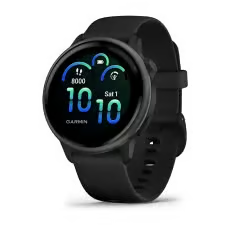
- ✓ Best-in-class app & smart features✓ Great communication options✓ Accurate heart rate & built-in GPS✓ Sleep apnea alerts & wrist temperature✗ No ECG, no blood oxygen, no BP at all✗ Needs an iPhone to work✗ Nightly charging breaks sleep tracking✗ We found ourselves checking it constantly
SPORT FOCUSED
SPORT FOCUSED
4. Garmin Vivoactive 6
★
★
★
★
★
★
★
★
★
★
1.5
1.5
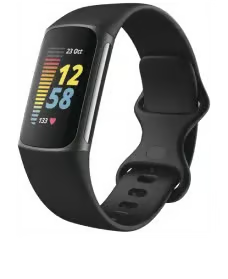
- ✓ Reliable GPS & sports modes✓ Accurate fitness tracking✓ 7-day battery✓ Free garmin connect app✗ £250 one-time investment✗ Clunky app interface✗ No blood pressure monitoring✗ No onboard ECG or altimeter✗ No speaker/mic for calls✗ Bulky and uncomfortable for sleep
THE UGLY ONE
THE UGLY ONE
5. Fitbit Charge 6
★
★
★
★
★
★
★
★
★
★
1.6
1.6
- ✓ Reliable GPS & sports modes✓ Accurate fitness tracking✓ 7-day battery✓ Free garmin connect app✗ £250 one-time investment✗ Clunky app interface✗ No blood pressure monitoring✗ No onboard ECG or altimeter✗ No speaker/mic for calls✗ Bulky and uncomfortable for sleep
Why We Picked The Voltra air As The Winner?
Why We Picked The Voltra air As The Winner?
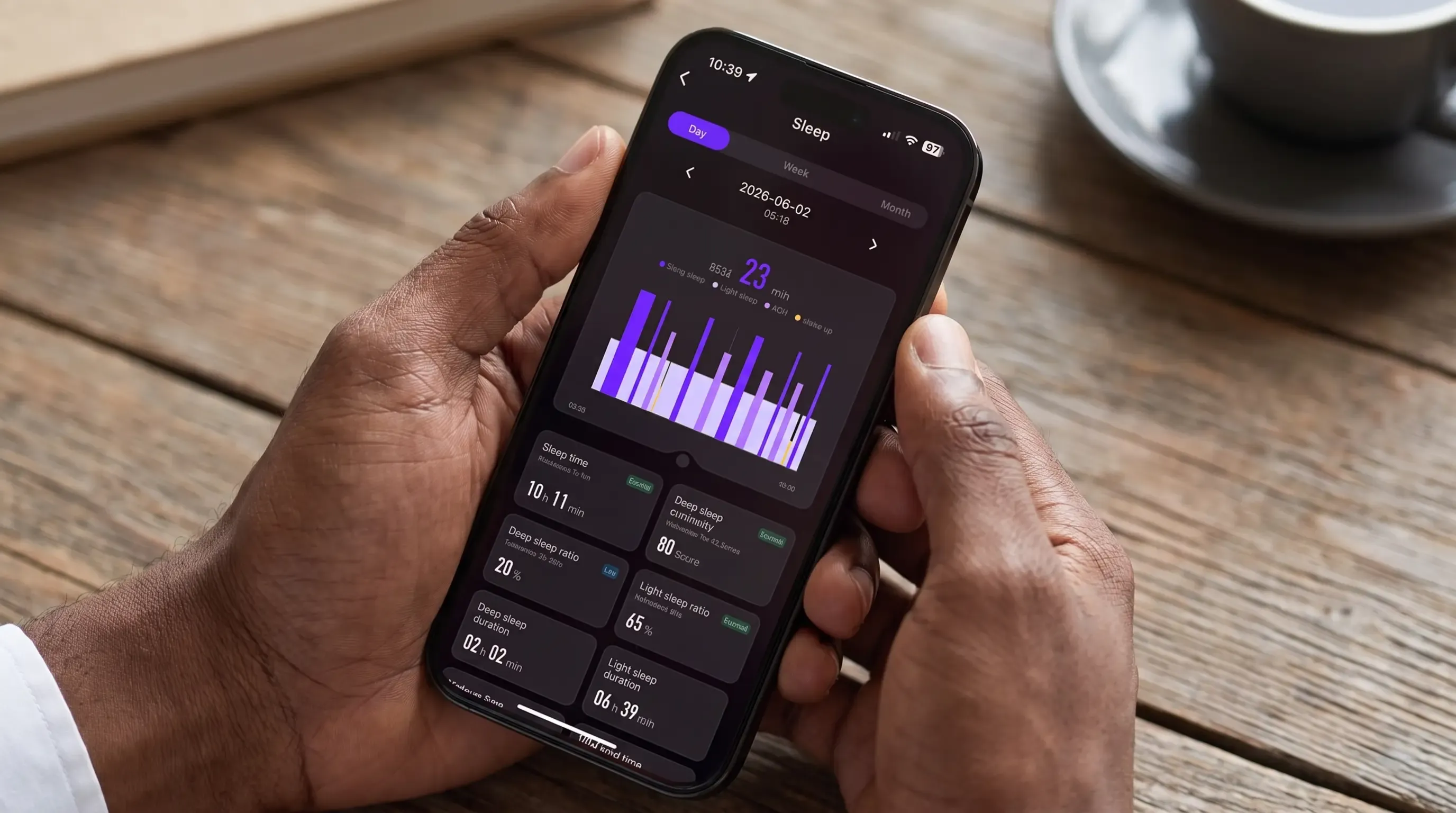
Voltra Air really earns its place through serious health credentials, but presented in a way that actually makes sense. In our testing it kept up with the competition that costs 3-4 times as much, and its Multi-Wavelength PPG sensor - which are a clear upgrade on the single-wavelength sensors found in most budget bands - takes round-the-clock readings of blood pressure, heart rate, HRV, and resting heart rate.
It's among the very few bands that deliver 'blood pressure insights' with no subscription attached - the sort of ongoing record you could genuinely bring to a GP, free, every single day. It also captured complete sleep stages for 38 days straight, over a full month of unbroken sleep data that the Apple Watch, Fitbit, and Garmin can't offer when they need charging every night.
This depth of monitoring usually sits locked behind a £229-a-year membership, or a smartwatch that won't survive till morning. Voltra Air really breaks that pattern. At only £39, it's the most capable screen-free health tracker in our line-up - real health data in something so light you'll forget it's on your wrist.
How did it perform over the full 30 days?
How did it perform over the full 30 days?
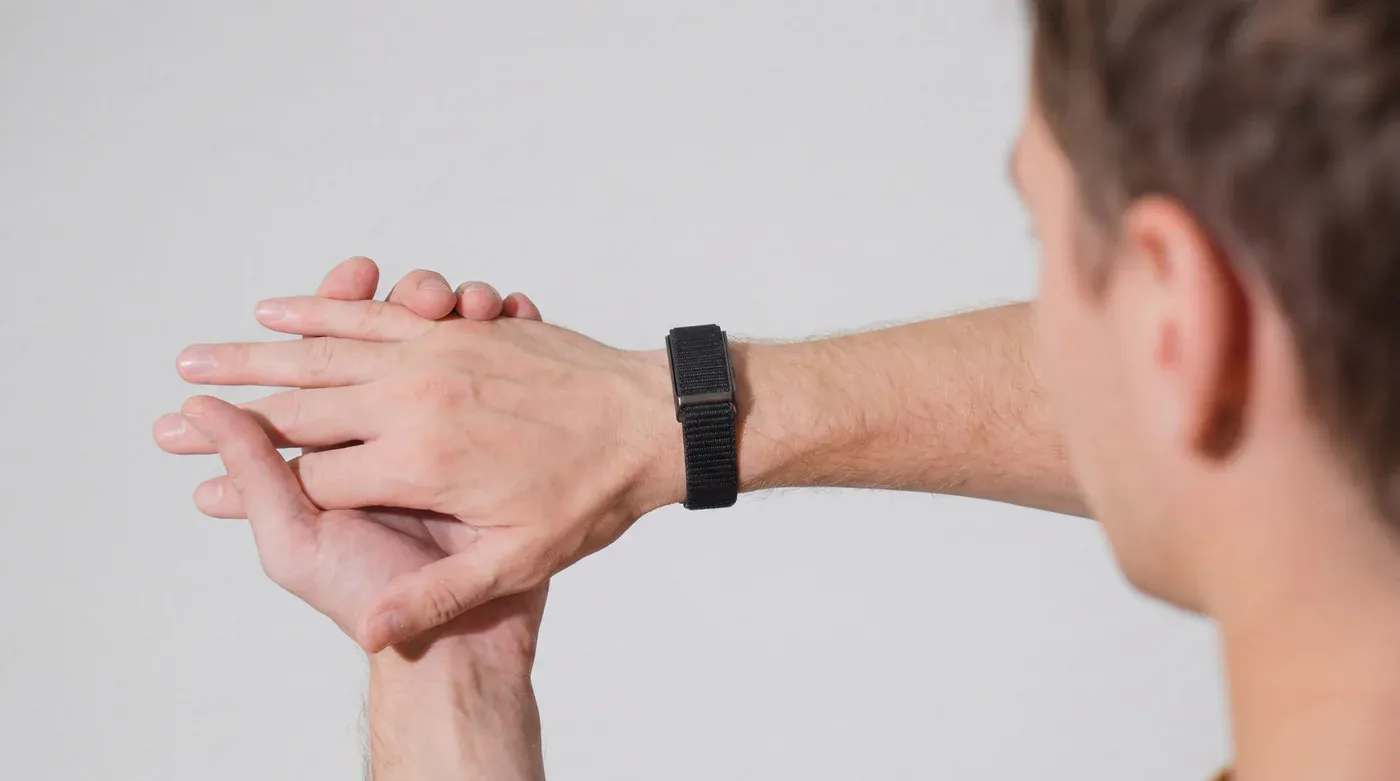
I'll be straight with you: I went into this expecting to write Voltra Air off entirely.
Everything about it read like a device destined to underwhelm. No screen. A £39 price nobody takes seriously when placed in an industry full of devices costing hundreds. A company I'd never even heard of. And I (quite unfairly) lined it up against the big names, fully expecting it to be the first one back in its box by the end of the week.
Then the week passed, and it was still on my wrist. So was the next one, and the one after that. A 38 days - through packed work stretches, early flights, gym sessions, and the kind of ragged holiday sleep that wrecks your rhythm - and not once did I reach for a charger.
And somewhere in those thirty eight days it stopped being the underdog I was ready to dismiss. The sleep stages finally explained why eight hours in bed still left some mornings feeling hollow. The blood pressure trends put a name to the afternoon brain fog I'd been shrugging off. And heart rate averages I could actually trust let me see the shifts I'd been missing. The weirdest part is, I actually found it easier to understand than some of the others.
Here's what stuck with me. The tracker that genuinely helps your health isn't necessarily the dearest or 'best' one on the shelf - it's the one you'll keep wearing long enough for the data to mean something. At 52, quietly wondering whether my body's aging well or aging fast, this is the first one that actually gave me an answer.
The part that really shocked me...
The part that really shocked me...
(Image credit: Voltra Health / voltrahealth.com)
(Image credit: Voltra Health / voltrahealth.com)
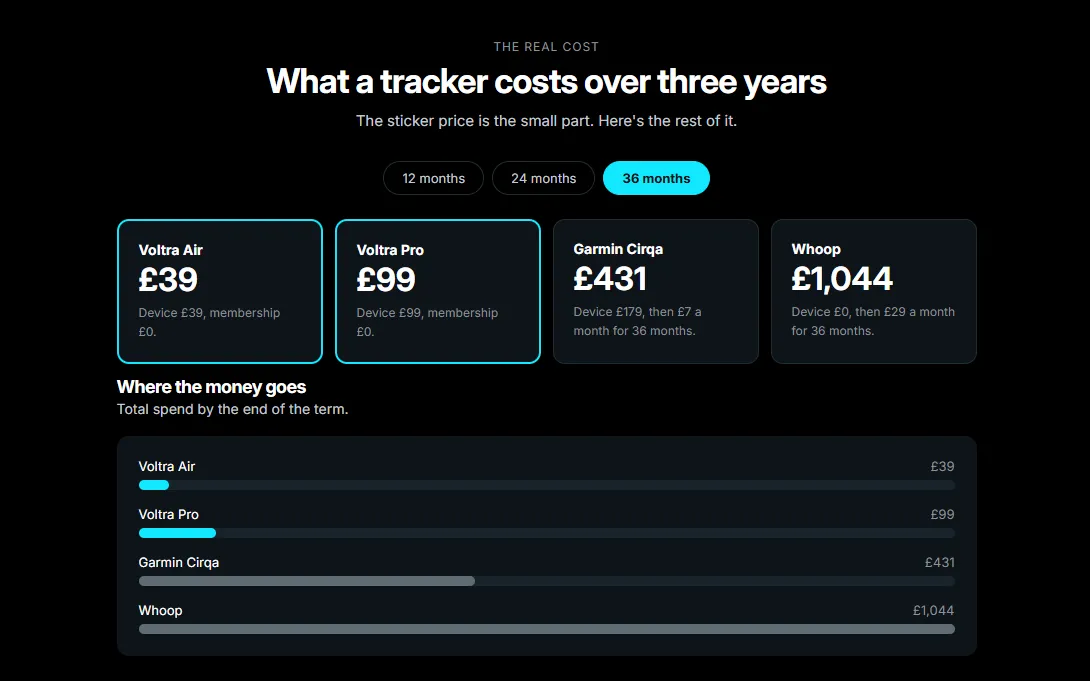
I knew going in that Voltra Air was cheaper. What I didn't expect was quite how wide the gap got once I actually did the sums. The average WHOOP user, I found, stays subscribed for around three years before cancelling - and at £29 a month, that's £1044 handed over just to keep the thing working. I genuinely had to run the maths twice, because it didn't seem right the first time. Three years of subscription fees against a single £39 payment that never asks for another penny. Same wrist, same daily data - one just quietly stops charging you.
What people think of Voltra Air:
What people think of Voltra Air:




LEARN HOW